


A Quick Guide to Finger Millet – Benefits, Nutritional Values, Recipes

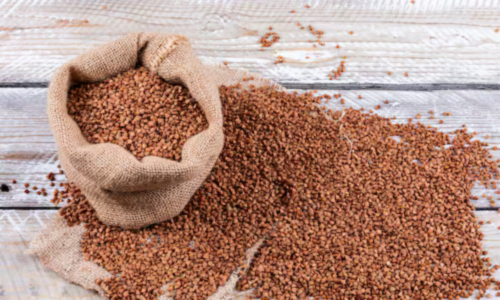
Finger Millet (Ragi) – Benefits, Nutritional Values & Recipes
Finger millet, also known as Ragi (see footnote for Indian language names), is a highly nutritious grain celebrated for its remarkable health benefits. This ancient cereal has been a staple in many parts of the world for centuries and is gaining popularity due to its exceptional nutritional profile. Packed with essential nutrients like calcium, iron, and fiber, finger millet supports blood sugar regulation, weight management, and digestive health. Its gluten-free nature makes it an ideal choice for people with gluten sensitivities or celiac disease.
In this guide, we explore the benefits, nutritional values, and provide delicious recipe ideas to incorporate finger millet into your daily diet.
Benefits of Finger Millet
1. Rich in Nutrients
Finger millet is a nutritional powerhouse, containing significant amounts of fiber, calcium, iron, and antioxidants. It also provides essential amino acids such as tryptophan, methionine, and leucine, making it a good plant-based protein source.
2. Gluten-Free
Finger millet is naturally gluten-free, making it suitable for individuals with celiac disease or gluten intolerance.
3. Controls Blood Sugar Levels
The high fiber content of finger millet helps regulate blood sugar levels. With a low glycemic index, it releases sugar into the bloodstream gradually, benefiting diabetics and promoting steady energy.
4. Supports Weight Management
Finger millet’s high fiber and low-fat content help prolong satiety, reduce cravings, and support weight control.
5. Improves Digestive Health
The dietary fiber in finger millet promotes healthy digestion and prevents constipation, supporting regular bowel movements.
Nutritional Value of Finger Millet (Per 100g Raw)
Calories: 336
Carbohydrates: 72 g
Protein: 7.3 g
Fat: 1.3 g
Fiber: 3.6 g
Calcium: 344 mg
Iron: 3.9 mg
Potassium: 408 mg
Magnesium: 137 mg
Vitamin B3 (Niacin): 1.1 mg
Finger millet is low in fat, high in fiber, and contains beneficial amino acids, making it a perfect addition to a balanced diet.
Delicious Finger Millet Recipes
Ragi recipes are a tasty and nutritious way to include finger millet in your meals. This versatile grain can be used in a variety of dishes, from traditional Indian staples to modern culinary creations.
Breakfast Ideas: Ragi porridge, Ragi dosa
Snacks & Treats: Ragi cookies, Ragi pancakes, Ragi cakes
Explore easy-to-make ragi recipes with Sonkan Foods and enjoy nutrient-rich meals that support your health.
FAQs About Finger Millet
1. Is finger millet suitable for gluten-sensitive individuals?
Yes, finger millet is naturally gluten-free and safe for those with gluten intolerance or celiac disease.
2. Where can you find finger millet?
It is available in grocery stores, health food stores, and specialty grain shops, either as whole grains or flour.
3. Can finger millet be included in a weight loss diet?
Yes, its high fiber content promotes satiety, controls appetite, and provides essential nutrients while being low in fat.
4. Is finger millet suitable for infants and children?
Yes, finger millet is safe and nutritious, but it should be introduced gradually, and a pediatrician should guide preparation and serving sizes.
Note: Consult a healthcare professional for personalized advice on dietary needs.
Footnote: Indian Names for Finger Millet / Ragi
| Language | Name |
|---|---|
| Hindi (North India) | Mandua / Nachni |
| Marathi (Maharashtra) | Nachni |
| Gujarati | Nagli / Nachni |
| Kannada (Karnataka) | Ragi |
| Telugu (Andhra/Telangana) | Ragulu |
| Tamil (Tamil Nadu) | Kezhvaragu / Keppai |
| Malayalam (Kerala) | Koovari / Panji Pullu |
| Punjabi | Mandhuka |
| Rajasthani | Mandua |
| Odia (Odisha) | Mandia |
| Bengali (West Bengal) | Marwa |
| Assamese | Marua |
| Kumaoni/Garhwali (Uttarakhand) | Mandua |
| Kashmiri | Mandua |


